|
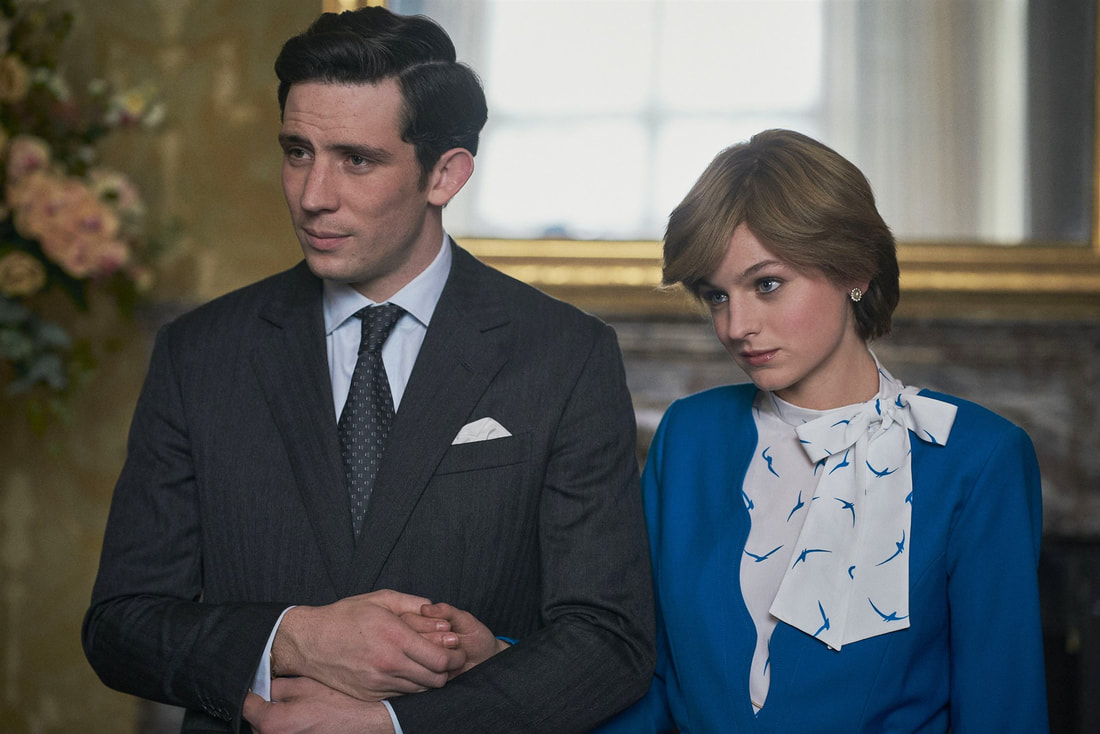
By Hudson Stedman ’21 (Image Credit: Des Willie / Netflix) One summer evening in the washout period before the fall term, I took my time rewatching Peter Morgan’s “The Crown.” I had lost interest after season two, months back when the actors had been replaced to ‘keep up’ with the aging royals. Though I found it ultimately quite entertaining as the story combined both historical fact and dramatic elements, whether or not said dramatic elements are entirely accurate. Thus, I was excited for the November premiere of “The Crown,” season four, which introduced Princess Diana and Margaret Thatcher — aka the ‘Iron Lady’ — two highly notable and highly influential female figures in British history. Critics and royal press officials, however, attacked season four for not disclaiming the potential fictitious nature of the show and producing ‘anti-British’ and ‘anti-royal’ content. I didn’t expect the controversy and backlash that followed the show’s attempts to capture one of the most tumultuous decades in Queen Elizabeth II’s reign. But, if a monarchy is so brittle that a mere streamed television series can undermine it, who is presenting false information?
Now, I am by no means an expert on the royal family as my knowledge solely originates from watching “The Crown” and researching subsequent historical events presented in the series; however, one cannot help wonder if a centuries-old institution has strayed away from its fundamental duty if it can be subject to a semi-fictional historical drama. “The Crown” has indeed portrayed its fair share of fictional scenes or character portrayals (for instance the fictional plotline of season four, episode four when Elizabeth tries to discover her ‘favorite’ child) but so has the royal family. Charles and Diana’s marriage alone attempted to portray this sense of stability and morality as an ideal for the rest of Britain, often being dubbed the ‘fairy-tale marriage.’ Though, as the late 80s and early 90s rolled around, the truth ultimately broke free: Andrew Morton’s 1992 publication of “Diana: Her True Story – In Her Own Words” solidifies the propaganda of Charles and Diana’s marriage. “The Crown” has dug out of the grave royal drama that had been forgotten in the last few decades. As a result, younger generations are now learning the sequence of events that substantially altered public opinion of the monarchy, and it’s getting out of hand. The majority of TikTok users, for instance, have turned against Charles and the royal family. Furthermore, taking a look at Instagram posts about Camilla Parker Bowles, the comments are flooded with “Diana forever” and praises for the late princess. If you look at social media as an indicator for public opinion of the younger generation, it tells us the monarchy is simply failing to meet its relevance in the modern world, and thus endangering its future role. While the show undeniably has faults of its own in the misrepresentation of historical figures, there is also severe fault on the individuals and parties which it portrays. If a monarchy or political party is so desperate to censor a television series, instead of promoting the freedom of expression, it’s time that the institution rebuilds itself to better suit the changing times. I also believe the British monarchy is strong enough to safeguard its stability from being threatened by a television series. And that is what I believe Peter Morgan is trying to accomplish through “The Crown.” He is trying to recapture the dramatic effect and feeling of those events decades ago, regardless of the facts or fictions, ultimately shining light to the flaws of certain individuals or institutions and saying ‘we have not forgotten.’ Comments are closed.
|
Archives
April 2026
|
Photos from Verde River, Manu_H, focusonmore.com, Brett Spangler, Cloud Income